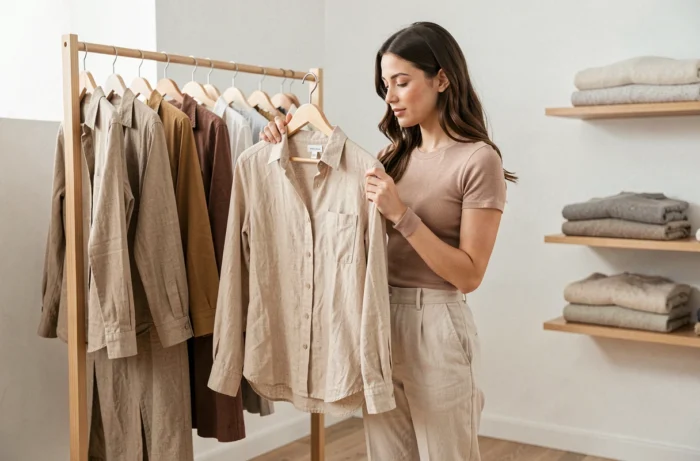
The composition of an ethical wardrobe is not just about replacing brands with others. The real lever lies upstream: in reading labels, calculating the cost per use, and understanding the regulatory constraints now placed on manufacturers.
Cost per use: the calculation that ethical fashion imposes on textile purchases
A garment worn three times costs more daily than a durable piece worn several hundred times. This reasoning by cost per use reverses the logic of the low price displayed in the window.
The method is straightforward: divide the purchase price by the actual number of wears. A high-priced wool coat worn for four seasons amounts to just a few cents per use. A discounted synthetic jacket, deformed after two months, has a significantly higher cost per wear.
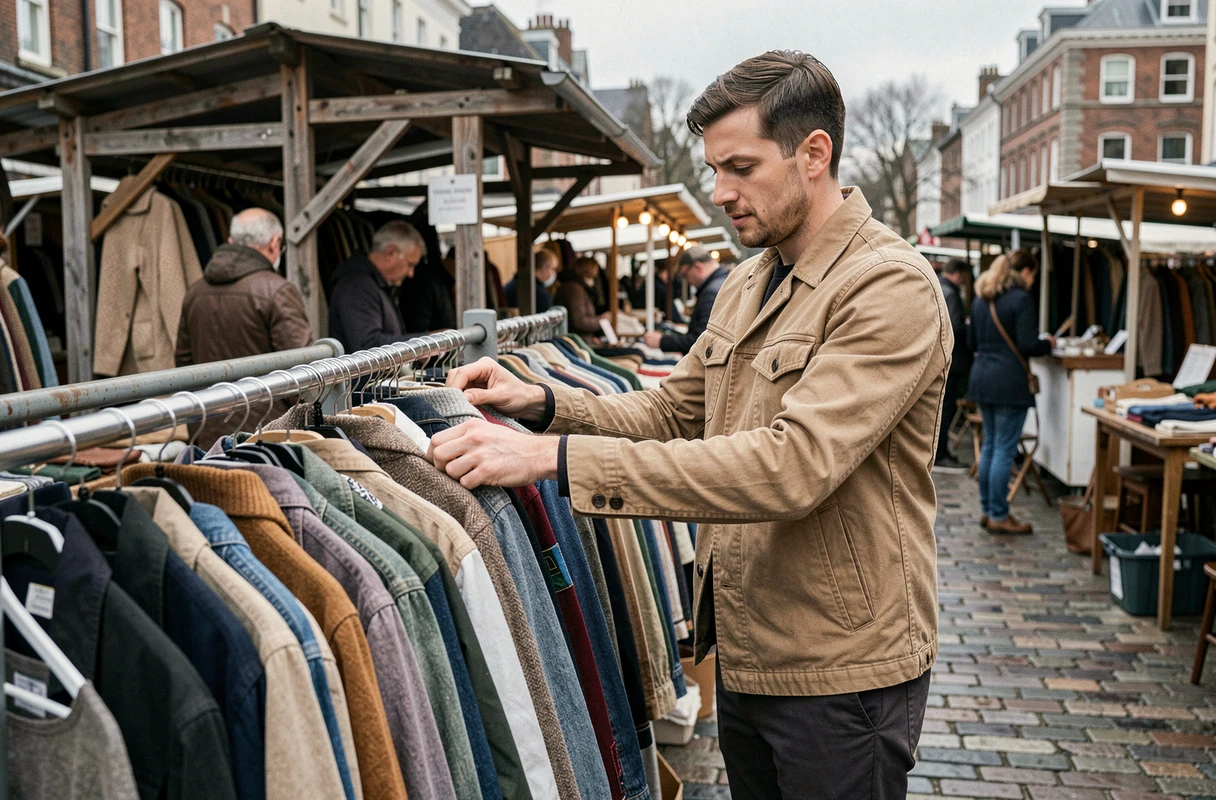
We recommend applying this calculation before any purchase, including second-hand. Thrift stores and resale platforms often offer the best cost/use ratio on basics (jeans, shirts, sweaters), as the item has already proven its durability over time. To delve deeper into the supply chains and brands that practice this transparency, a useful resource is: https://lamodeethique.com/, which lists the committed players across the entire value chain.
Digital Product Passport and textile traceability in Europe
European regulation is now pushing ethical fashion beyond mere voluntary commitment. The gradual extension of the Digital Product Passport requires brands to provide verifiable information on the composition, reparability, and traceability of each textile product.
This digital passport fundamentally changes the game for consumers. Where one had to rely on sometimes opaque labels, the DPP will ultimately make accessible the manufacturing history of a garment: origin of materials, places of production, production conditions.
Why the DPP changes the game against greenwashing
Greenwashing thrives in ambiguity. A brand can claim to be “eco-responsible” without anyone verifying the reality behind the label. The DPP acts as a structural barrier: traceability data becomes a compliance obligation, not a marketing option.
For buyers, the practical consequence is simple. Before investing in a piece presented as responsible, checking if the brand is already anticipating these requirements (publishing the supplier list, detailing certified materials, providing information on reparability) serves as a reliable filter.
30-day method and categorization to sort your wardrobe
Sorting the wardrobe is the starting point for any transition to a responsible wardrobe. Real-life feedback goes beyond the simple “keep / throw away” and offers more refined protocols.
The 30-day logged wear method involves noting each garment worn over a month. At the end of this period, the pieces never selected reveal unnecessary purchases, sizing errors, or styles that no longer fit your daily life.
Categorizing to decide: wear, repair, move
Once the wear assessment is established, each garment falls into one of these three categories:
- “Wear” includes pieces that are regularly worn and remain in good condition, the core of the wardrobe
- “Repair” concerns beloved but damaged garments (missing button, undone hem, weakened seam), which deserve a trip to a tailor rather than replacement
- “Move” designates items that will no longer be worn, intended for donation, resale, or textile recycling depending on the condition of the piece
This categorization prevents the reflex of systematic repurchase. A repaired garment is more responsible than a new “ethical” garment, because it generates no new production.

Textile materials and labels: reading a label of ethical clothing
Organic cotton, linen, hemp, and certified wool are the materials most often highlighted by responsible brands. Their common point: they are natural fibers whose environmental impact heavily depends on cultivation and processing conditions.
Conventional cotton remains one of the most water- and pesticide-intensive crops. Certified organic cotton (GOTS, OCS) guarantees the absence of synthetic chemicals and control over the production chain. Checking for the presence of a third-party label on the tag, and not just the self-declared “organic cotton,” makes all the difference.
Recycled synthetic fibers: a compromise to evaluate
Recycled polyester (often sourced from plastic bottles) reduces dependence on virgin fossil resources. However, it continues to release plastic microfibers during washing. For technical pieces (sportswear, waterproofs), it is sometimes the only functional option.
We observe that the most reliable rule remains to cross-reference two criteria:
- The composition displayed on the label (favoring natural or certified recycled fibers)
- The brand’s transparency regarding its suppliers and manufacturing locations
- The physical durability of the piece, tested by the fabric weight and the quality of the seams
A brand that publishes its supplier list and details its certifications offers a level of trust far superior to one that merely displays a green logo on its site.
Buy less and better: the compatibility rule with existing items
A responsible purchase is not judged solely by the clothing label. It is also judged by its ability to integrate into what you already own. The rule is straightforward: only buy a piece if it works with at least three outfits already present in your wardrobe.
This filter eliminates isolated crushes that end up at the back of the closet. It forces one to think in systems rather than accumulation. A linen dress bought from an ethical brand but never worn because it doesn’t go with any of your jackets remains a superfluous purchase, regardless of its quality of manufacture.
Adopting an ethical wardrobe is less about changing brands than changing methods. Calculating the cost per use, verifying the actual traceability of materials, sorting with a precise protocol, and filtering each new purchase by its compatibility with existing items: these four technical gestures sustainably transform a wardrobe without requiring a complete restart.