The autumn-winter 2026 season reshuffles the deck on several fronts that the Fashion Week reports do not detail. Between the tightening of European regulations and the emergence of color palettes driven by cruise shows, we observe a structural shift: trends are no longer limited to a catalog of pieces; they now incorporate constraints of traceability and circularity that modify the value chain all the way to the final wardrobe.
European textile regulation and impact on autumn-winter 2026 collections
The subject remains largely absent from mainstream fashion pages, and this is a blind spot. Since July 19, 2026, large companies in the European Union can no longer destroy their unsold clothing, shoes, and accessories. Medium-sized enterprises will be subject to the same ban in 2030.
This European regulation on the eco-design of sustainable products directly transforms the seasonal offer. Brands are adjusting their production volumes, reducing the depth of their ranges, and favoring pieces with slower turnover. In practice, capsule collections are gradually replacing massive drops.
France has added an additional layer: since September 1, 2026, an anti-fast fashion tax targets ultra-fast platforms, with fees indexed to repairability, price, and the extent of the offer. The extended producer responsibility (EPR) specific to textiles requires member states to fund collection, sorting, and recycling, with a ramp-up planned between 2025 and 2028.
When choosing a brand, checking whether it adheres to these circularity requirements remains a useful reflex. Compliant brands often offer fashion trends on Les Tendances de Mya that are more sustainable and better thought out in terms of style.
Autumn-winter color palettes: deep burgundy, chocolate, and warm neutrals
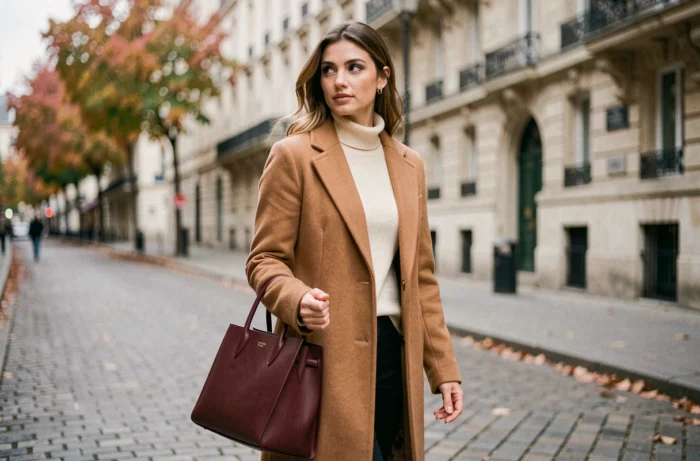
Burgundy establishes itself as the guiding color of the season. This is not just a simple cyclical return: burgundy replaces black as the foundational color for looks. It works as a total look or as an accent on a strong piece (blazer, ankle boot, structured bag).
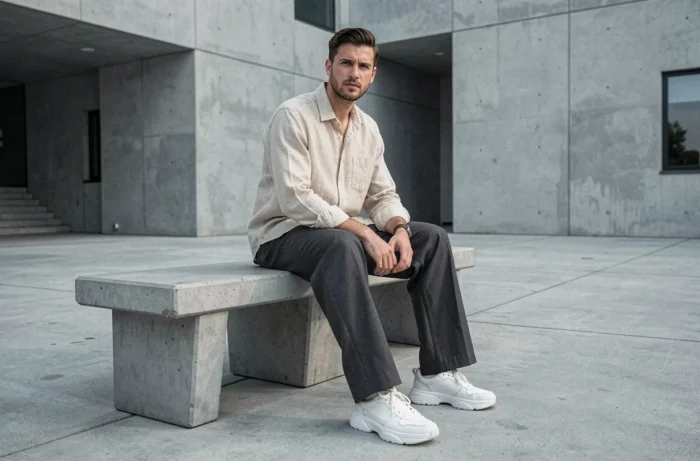
Chocolate and ecru take the place of cool grays in the neutral palette. Khaki completes this triad by adding a utilitarian note that aligns with reimagined workwear silhouettes. These warm shades share a technical advantage: they combine well without creating visual breaks, simplifying the construction of a coherent wardrobe.
- Burgundy: blazer, tailored pants, knee-high boots, ideal as a central piece of a monochrome outfit
- Chocolate: straight coat, chunky knit sweater, wide belt, perfect when paired with ecru
- Khaki: utility jacket, fitted cargo pants, oversized shirt, adds a casual dimension to a dressed-up base
- Ecru: twisted knit, midi skirt, textured leather accessories, serves as a point of light in dark outfits
We observe that brands aligned with the new circularity constraints adopt these palettes more easily. Timeless shades reduce perceived obsolescence and extend wear duration, which aligns perfectly with the spirit of the eco-design regulation.
Structuring pieces: blazers, leather, and knitwear as style pillars
The blazer remains the most profitable piece in a seasonal wardrobe. Its versatility is well established, but this season, we note a shift in cuts: more pronounced shoulders, mid-thigh length, double-breasted closure. The oversized blazer worn belted creates a defined silhouette without resorting to fitted pieces underneath.
Leather returns in a soft and non-rigid form. The spring-summer 2026 shows had already set this direction, and autumn-winter confirms it. Soft jackets, midi skirts in nappa leather, fluid pants: leather is worn like a fabric, not like armor. Matte finishes dominate, while glossy versions recede.
Knitwear constitutes the third pillar. High-neck sweaters, buttoned cardigans worn as jackets, ribbed knit dresses: these pieces absorb mid-season thermal variations while remaining compatible with office codes. Thick wool-blend knitwear is gaining ground against synthetics, driven by the composition requirements related to textile EPR.
Layering and controlled volumes
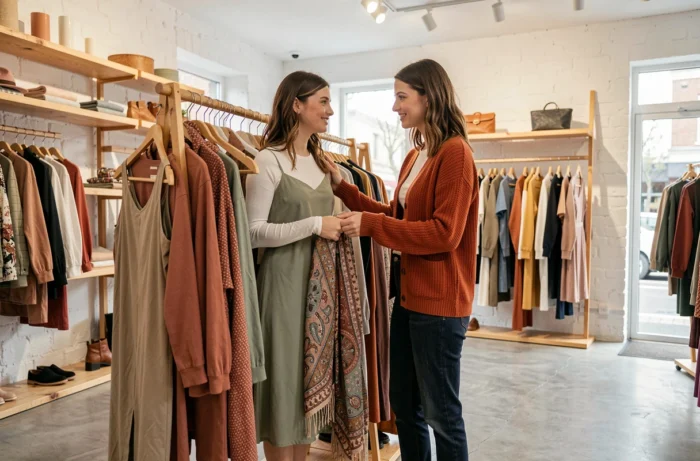
Layering is not just about stacking layers. The challenge is to create volume in the right places. Long shirt under a short sweater, straight coat over a fluid ensemble, sleeveless vest over a turtleneck: each visible layer must have a function in the silhouette.
The midi skirt and straight pleated pants remain the most reliable bottoms to anchor these layers. The straight, high-waisted, non-distressed jeans complete the trio. Flared cuts and bell-bottoms are limited to niche offerings.
Prints and patterns for autumn-winter 2026: stabilized leopard, reduced checks
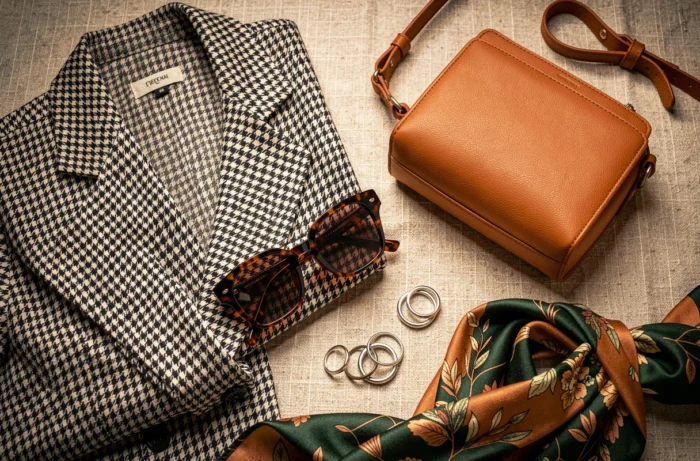
Leopard is not disappearing. It has stabilized as a basic, on par with stripes. We find it on accessories (scarf, belt, bag) rather than on full pieces, making it easier to integrate without tipping into excess.
Prince of Wales checks and tartans are losing visibility compared to previous seasons. Dark floral prints on black or burgundy backgrounds are taking over for statement pieces, particularly dresses and blouses. These patterns work well in contrast with the warm neutrals mentioned earlier.
- Leopard: favor small formats and accessories for a measured effect
- Dark florals: midi dresses, blouses, to be paired with a structured solid piece
- Fine stripes: shirts and sweaters, a reliable value that transcends seasons without an expiration date
Choosing a durable print rather than a fleeting viral pattern aligns with the underlying logic of this season. Pieces designed to last through multiple cycles meet regulatory expectations and, more directly, contribute to a wardrobe that ages well. A style built on solid foundations does not depend on the drop calendar.