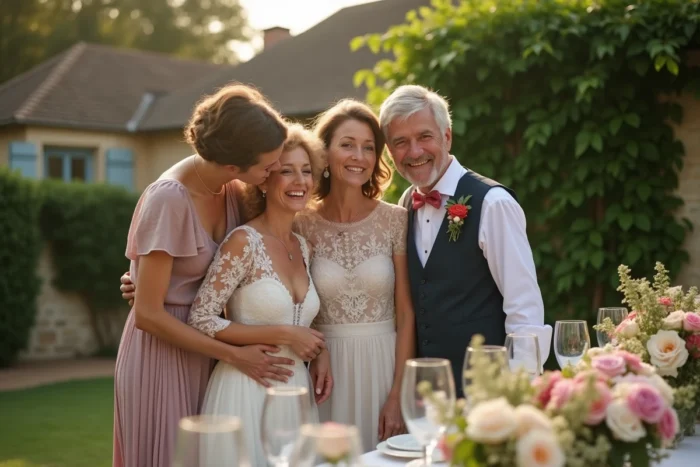
Congratulating the newlyweds is something everyone thinks about. Congratulating their parents is rarer and often much more moving. The parents have supported, financed, sometimes doubted, and always hoped. Addressing them with a sincere word on their child’s wedding day is to acknowledge the journey they have taken together.
Finding the right wording requires a bit of method. The tone depends on your relationship with the family, the format (card, oral speech, message), and the degree of intimacy of the ceremony. Here are ten concrete approaches to writing congratulations to the parents for a wedding that will truly touch them.
1. A childhood memory told in three lines
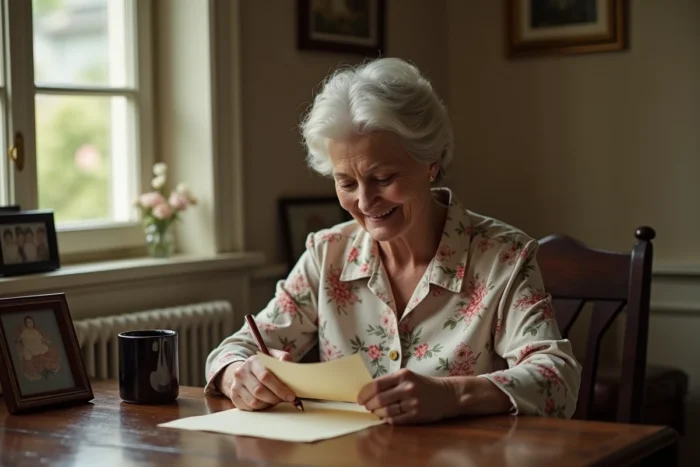
Starting from a specific scene from the groom’s or bride’s childhood immediately gives substance to the message. No need for a novel: three lines are enough.
Example: “I can still see your daughter at six years old, dressed as a princess in the garden. Today, it’s for real. You can be proud of the journey you’ve taken together.” A concrete memory is worth more than ten generic phrases.
2. The handwritten letter slipped into the pocket of the father or mother
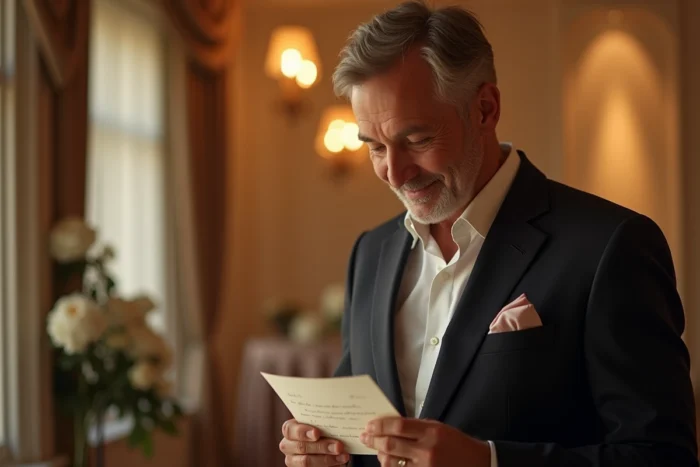
The paper format remains the most impactful. A handwritten letter, even short, can be kept for years. It can be reread, passed down, and sometimes found in a drawer twenty years later.
Write a few sentences on quality paper. Slip it discreetly before or after the ceremony. The physical gesture amplifies the emotion of the message.
3. The literary quote adapted to the family story

A well-chosen quote can express what your own words cannot. The idea is not to copy a phrase found online, but to connect it to a character trait or an episode experienced by the family.
Pair the quote with a personal sentence. For example: “Khalil Gibran wrote that children do not belong to us. You understood this before anyone else, and that is why your son is so free today.”
4. The message focused on the parent’s role, not the couple
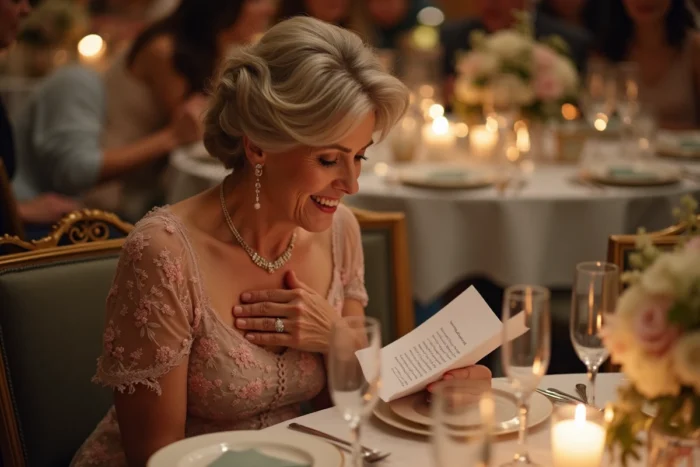
The majority of congratulatory texts are addressed to the newlyweds. To touch the parents, the spotlight needs to be shifted. Talk about their patience, their generosity, what they have passed on.
Acknowledging the quiet work of parents creates a powerful effect. You could write: “This wedding bears your imprint as much as that of the newlyweds. Your love has shaped them.”
5. The short text sent by SMS on the morning of the wedding

Do you lack the talent for long letters? A brief message sent early in the morning, before the hustle and bustle, can suffice. Parents often check their phones in the early hours, amidst stress and emotion.
Two direct sentences work very well: “Today is a big day for you too. Congratulations for all you have given to get here.” Sincerity takes precedence over length.
6. The oral speech that addresses the parents directly during the reception
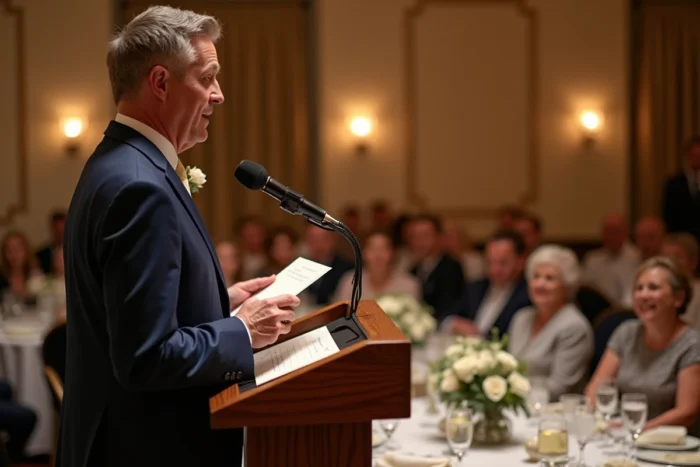
During toasts, speeches almost always target the newlyweds. Taking thirty seconds to turn to the parents and address them creates a moment of surprise and gratitude.
Structure this aside in three parts:
- A specific thank you (the organization, the welcome, a detail you noticed)
- A shared memory with the family
- A brief wish for the future (“may this day bring you as much happiness as you bring to others”)
7. The card signed collectively by the couple’s close friends
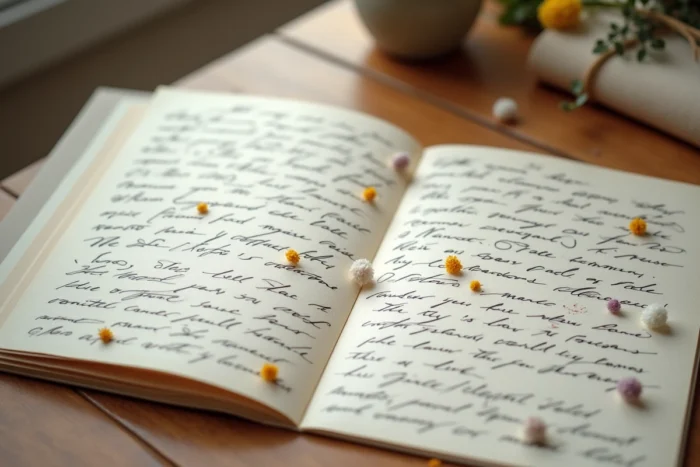
A collective card carries a different weight than an individual message. Coordinate with the witnesses or close friends so that everyone adds a sentence.
The collective message shows the parents that their child is well surrounded. This is often what touches them the most: knowing that the person they raised is loved by others.
8. The tender humorous note that lightens the atmosphere
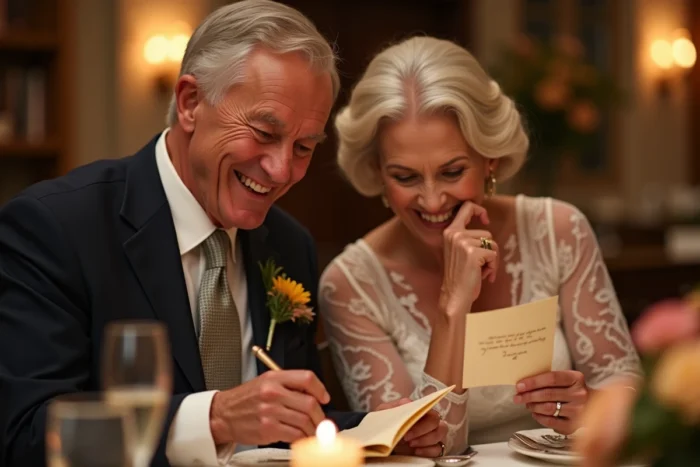
Humor works as long as it remains kind. Avoid jokes about the cost of the wedding or family conflicts, even in a small group. Some confidences or overly private topics deserve to stay out of the message, regardless of the format.
An example that works: “You survived math homework, adolescence, and first heartbreaks. This wedding, in comparison, is a walk in the park. Congratulations on your well-deserved parental retirement.”
9. The text that mentions the new extended family
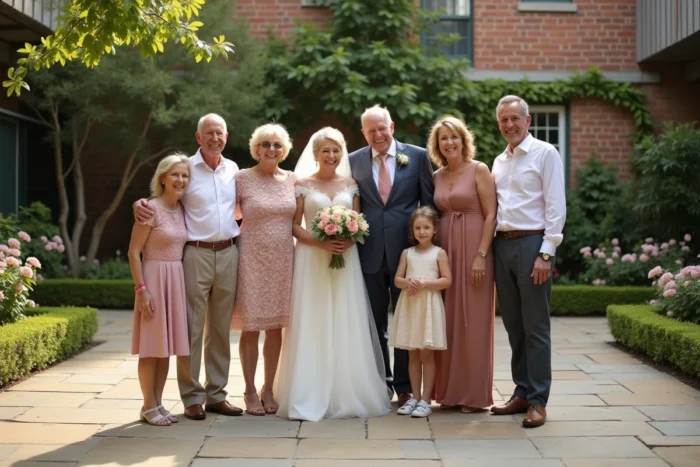
A wedding does not only unite two people; it brings two families closer together. Addressing a word to the parents while evoking this new family alliance adds a warm dimension to the message.
You could write: “Your family is expanding today. So is the happiness.” This type of short phrase resonates because it names what the parents feel without always expressing it: the joy of welcoming a new member into the family circle.
10. The personalized gift accompanied by a few words
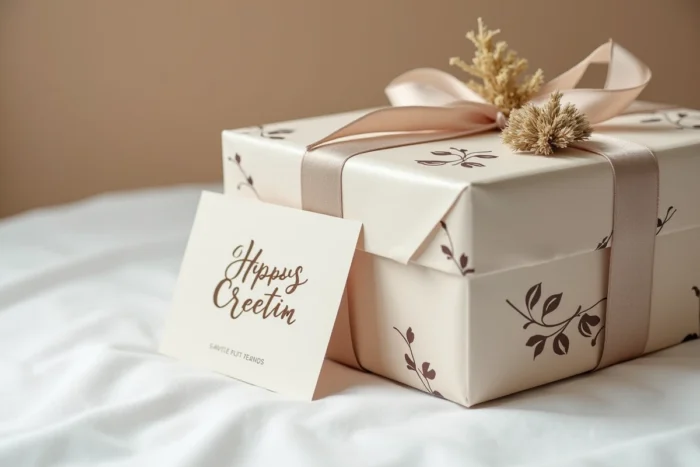
Pairing a personal item (photo album, engraved frame, small memory book) with a short text transforms the message into a lasting memory. The gift does not need to be expensive.
Here are a few criteria for choosing:
- An item that recalls a moment shared with the family
- A keepsake that the parents can keep at home (not a consumable)
- A format that leaves room for writing your message directly on it
The item extends the message long after the wedding day. The parents will see it again, and with it, your words.
The common thread among all these approaches can be summed up in one sentence: talk about what the parents have experienced, not just about what the newlyweds are celebrating. It is this shift in perspective that makes the message memorable.